


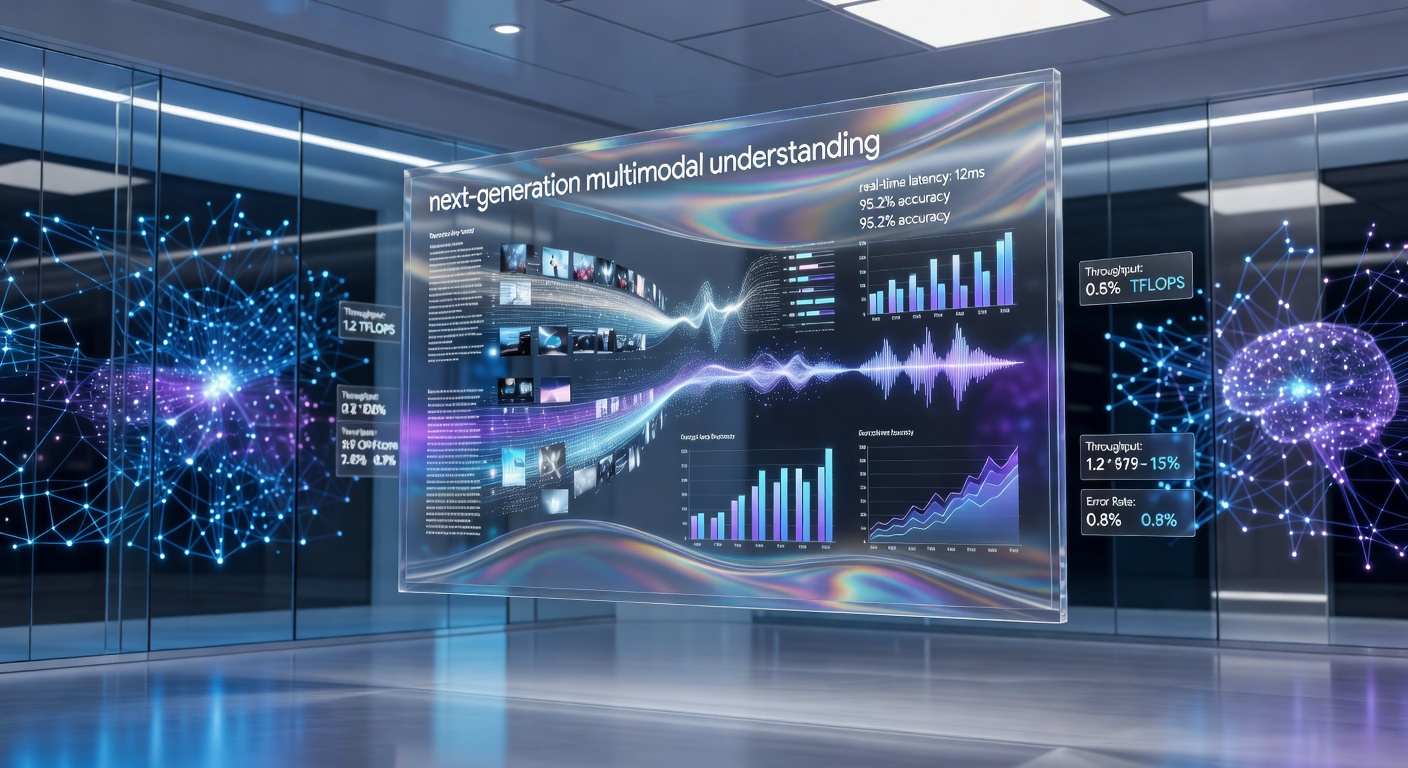
Google has dropped Gemini Pro 2, and the AI world is buzzing with a mix of excitement and healthy skepticism. This isn’t just another incremental upgrade. It’s a serious leap forward in multimodal intelligence that processes text, images, audio, and video with remarkable coherence. While the headlines scream “breakthrough,” the real story lies in what this release signals about the accelerating pace of AI development and its unexpected ripple effects.
Why Gemini Pro 2 Feels Different
What stands out immediately is the model‘s enhanced ability to understand context across different types of media simultaneously. Previous versions handled multiple inputs, but Gemini Pro 2 demonstrates a more natural, almost intuitive grasp of how these elements connect. It doesn’t just analyze an image and caption it. It appears to genuinely comprehend the scene, the emotion, the implied narrative, and how that relates to accompanying text or audio.
This matters because most real-world information doesn’t arrive in neat, single-format packages. Business presentations mix slides, speech, and documents. Scientific research combines charts, explanations, and raw data. Creative work blends visuals, music, and storytelling. A model that navigates these intersections more fluidly could reshape how we work with information.
The Environmental Angle Nobody’s Talking About
Here’s where things get interesting from a fiscal and environmental perspective. Training and running ever-larger models carries a significant energy cost. Google claims substantial efficiency improvements with Gemini Pro 2, suggesting smarter architecture rather than simply throwing more compute at the problem. In an era where data centers are among the fastest-growing consumers of electricity, this focus on efficiency isn’t just good PR. It’s responsible innovation that aligns with both environmental awareness and bottom-line pragmatism.
The company appears to have prioritized practical performance gains over raw parameter count. That’s a refreshing shift in an industry often obsessed with size. Smaller, more efficient models that deliver superior results represent the kind of thoughtful engineering that creates lasting value.

What This Means for Everyday Users and Creators
For tech-savvy professionals and creators, Gemini Pro 2 opens intriguing possibilities. Video editors might describe changes in natural language and see the model understand both the visual content and desired outcome. Researchers could potentially analyze complex multimodal datasets with less manual preprocessing. Product teams might prototype ideas faster by mixing sketches, voice notes, and text prompts.
Yet the most profound impact might be subtler. As these tools become more intuitive, they fade into the background, becoming genuine collaborators rather than clunky assistants. The distance between human intention and digital execution continues to shrink.
The Bigger Picture in AI Model Releases
This release reinforces a crucial pattern in today’s AI landscape: the gap between announcement and real-world capability continues to narrow. Google’s approach with Gemini Pro 2 shows increasing sophistication in balancing capability, efficiency, and accessibility.
What’s particularly noteworthy is the focus on making advanced AI available through existing Google tools millions already use. Rather than creating yet another standalone platform, they’re embedding powerful new capabilities where people already work. This pragmatic distribution strategy might ultimately prove more influential than the technical breakthroughs themselves.
The pace of these releases can feel overwhelming. One month brings dramatic claims, the next brings nuanced reality. Gemini Pro 2 seems positioned to deliver more of the former than the latter, but only time and widespread usage will tell the complete story.
What surprises me most isn’t the technical achievement. It’s how quickly these developments are moving from science fiction to desktop reality. The models aren’t just getting smarter. They’re becoming more useful in ways that align with how humans actually think and work.
The next twelve months should be fascinating. As more organizations integrate these multimodal capabilities, we’ll discover which workflows transform and which remain stubbornly human. One thing seems clear: the companies that thoughtfully combine these tools with genuine human insight will hold the real advantage.
AI Related Articles
- EU AI Act Enforcement Begins: What the New Regulatory Era Really Means for Innovation

- Google’s Gemini Pro 2 Just Changed the Game: What It Really Means

- OpenAI’s GPT-5 Turbo Just Dropped: Smarter Reasoning, Lightning Speed, and What It Really Means

- Why Apple’s Private Cloud Compute and AWS Bedrock Just Changed the Enterprise AI Game

- Open-Source AI Just Leveled Up: What Hugging Face’s Diffusion Hub and Stanford’s FALCON-X Really Mean

- Why Microsoft Copilot Tasks and the OpenAI GPT Marketplace Just Changed Everything About Agentic AI

- Google’s Gemini Ultra 2 vs Meta’s Llama 4 80B: The New AI Arms Race Just Got Interesting

- Google’s Platform 37 Shows AI Is Becoming Public Infrastructure

- UK AI Agents: Ship Fast, Govern Faster

- When Automation Works Too Well: The AI Risk That Silently Deletes Your Team’s Job Skills

- AI Code Assistants Need Provenance: Speed Is Nothing Without Traceability and Accountability

- Clouds Will Own Agentic AI: Providers Set to Capture 80% of Infrastructure Spend by 2029

- The Next Protocol War: Who Owns the Global Scale Computer?

- California Moves to Mandate Safety Standard Regulations for AI Companions by 2026

- AI Search Is Draining Publisher Clicks: What 89% CTR Drops Signal for the Open Web